Have you ever been walking normally — then suddenly your legs give out without warning? It’s terrifying, and you’re not alone. Millions of people experience this frightening symptom every year, yet most never find out why it happens.
In this guide, you’ll discover the 7 most common reasons your legs suddenly give way, what your nervous system is trying to tell you, and what you can do right now to protect yourself.
What Does It Mean When Your Legs Give Out Without Warning?
When your legs give out without warning, it usually means one thing: your muscles are not receiving the proper nerve signals they need to hold your body upright. This is not always a sign of a serious disease — but it is always a sign that something in your nervous system or musculoskeletal system needs attention.
The medical term for this is sudden lower extremity weakness. It can happen while standing, walking, climbing stairs, or even just shifting your weight. The key word is without warning — there’s no pain, no dizziness beforehand. Your leg simply buckles.
7 Reasons Your Legs Give Out Without Warning
1. Compressed Spinal Nerves (Radiculopathy)

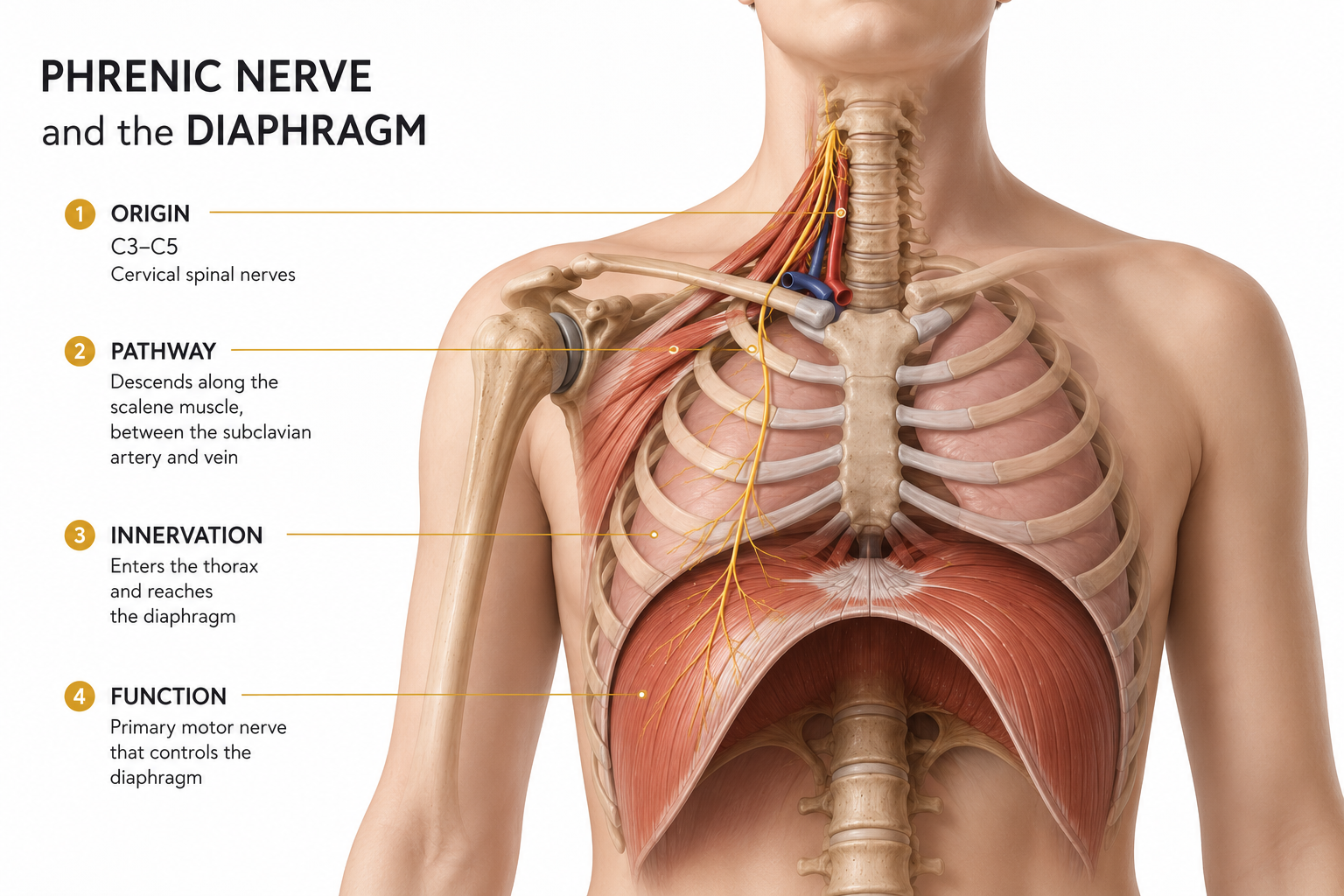
One of the most common causes of legs giving out without warning is nerve compression in the lower spine. When a disc bulges or a vertebra shifts, it presses on the nerves that control your leg muscles. The result? Sudden, unpredictable leg weakness.
Signs this is your cause:
- Weakness happens more on one side
- You may also feel tingling or numbness
- Sitting for long periods makes it worse
2. Unconscious Nerve Tension (The Hidden Cause Most Doctors Miss)
Your body holds chronic tension in the nervous system — often without you realizing it. This is what specialists in body balance and nerve management call unconscious nerve tension.
When your nervous system is constantly in a guarded, tight state, it begins to misfire signals to your leg muscles. The muscles don’t fail because they’re weak — they fail because the nerve commands are being disrupted before they even reach the leg.
This is why many people with legs that give out without warning have completely normal MRI results. The problem isn’t structural — it’s functional nerve signal disruption.
3. Hip and Pelvic Imbalance
When your pelvis is tilted or rotated — even slightly — the muscles on one side of your body work much harder than the other. Over time, the overworked muscles become fatigued and simply give out under normal loads.
Signs this is your cause:
- One leg feels stronger than the other
- You tend to lean to one side when standing
- Lower back ache is common
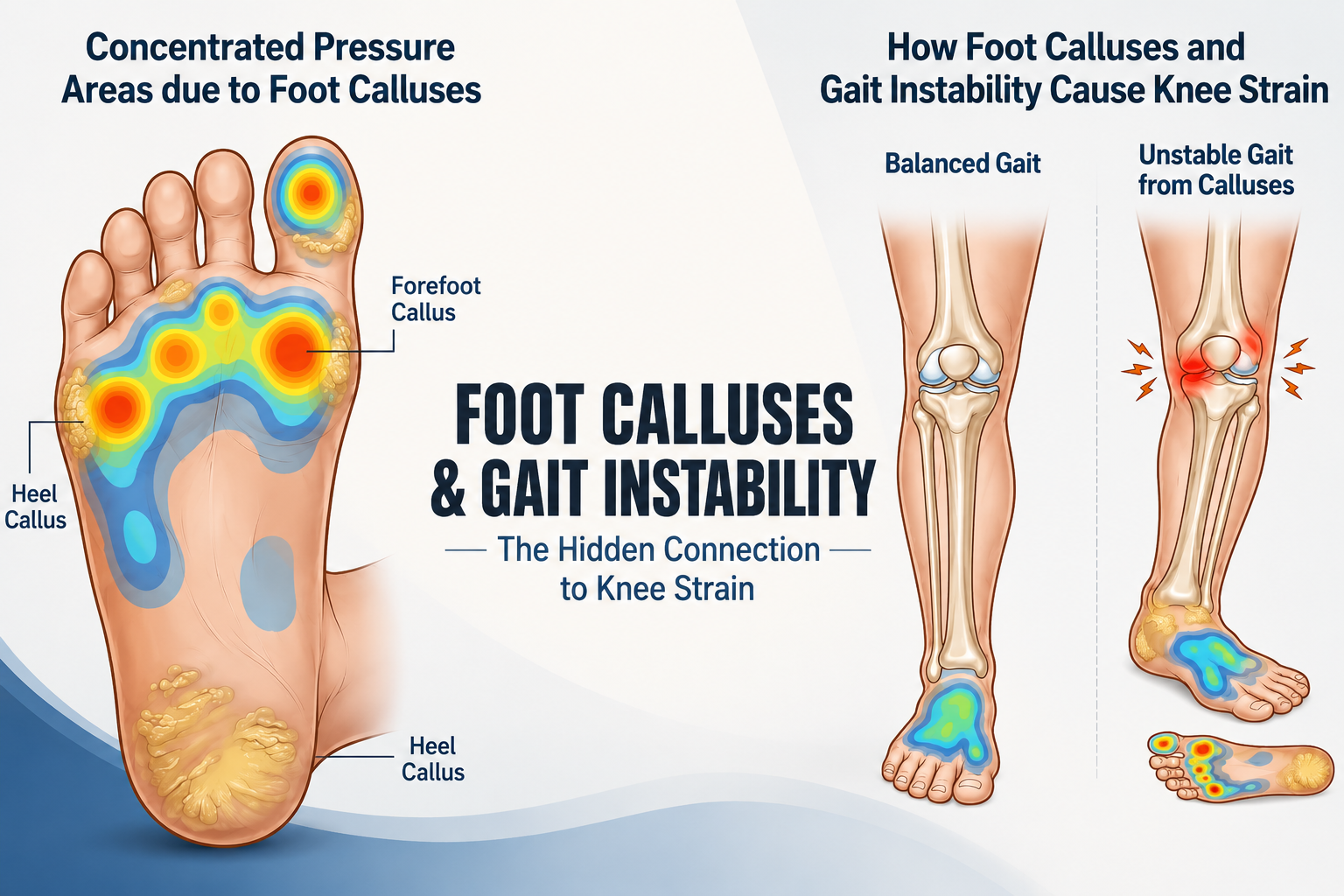
4. Foot Arch Collapse and Ankle Instability

Your feet are the foundation of your entire body. When the arches collapse or the ankle rolls inward, the alignment chain from foot to knee to hip to spine is disrupted. This sends incorrect feedback signals up to your brain, which can cause sudden muscle inhibition — meaning your leg muscles temporarily “switch off.”
This is especially common in people who stand for long hours or wear unsupportive footwear.
5. Peripheral Neuropathy
Peripheral neuropathy is damage to the nerves outside the brain and spinal cord. It’s common in people with diabetes, vitamin B12 deficiency, or chronic alcohol use. When these peripheral nerves are damaged, the signals between your brain and your leg muscles become slow and unreliable — causing sudden buckling.
Signs this is your cause:
- Burning or “pins and needles” in the feet
- Weakness that gets worse at night
- You’ve been diagnosed with diabetes or pre-diabetes
6. Transient Ischemic Attack (TIA) — Mini Stroke
A TIA causes a temporary loss of blood flow to the brain. One of its symptoms can be sudden leg weakness or buckling. Unlike the other causes on this list, a TIA is a medical emergency.
Go to the emergency room immediately if your legs give out AND you also have:
- Sudden facial drooping
- Arm weakness on one side
- Slurred speech
- Sudden severe headache
7. Chronic Stress and the Nervous System Overload
This surprises many people — but chronic psychological stress directly affects muscle function. When your body is under prolonged stress, the nervous system stays in a constant state of “fight or flight.” This floods your muscles with tension signals, and eventually the system becomes so overloaded that it shuts down temporarily — causing your legs to give out.
Research shows that stress-related muscle weakness is one of the most underdiagnosed causes of unexplained leg buckling in otherwise healthy adults.
When Should You Be Worried?
Not every episode of legs giving out without warning is an emergency — but some are. Use this quick guide:
| Symptom | What to Do |
|---|---|
| Legs give out, no other symptoms | See a specialist within 1–2 weeks |
| Legs give out + numbness/tingling | See a doctor within 48 hours |
| Legs give out + loss of bladder/bowel control | Emergency — go to ER now |
| Legs give out + face drooping + slurred speech | Emergency — call 911 now |
How to Stop Your Legs From Giving Out: A Body Balance Approach
At Haim Body Balance Center, we’ve worked with hundreds of patients whose legs gave out without warning — and whose MRI results showed nothing abnormal. In most cases, the root cause was a combination of:
- Spinal nerve compression from postural imbalance
- Foot arch dysfunction sending wrong feedback signals
- Unconscious nervous system tension disrupting muscle control
Our approach focuses on restoring the body’s balance from the ground up — starting with the feet, correcting spinal alignment, and releasing chronic nerve tension so that your leg muscles receive clear, consistent signals from your brain.
The result: legs that hold you steady — even on uneven ground, even after long hours of standing.
Frequently Asked Questions
Can stress really cause my legs to give out?
Yes. Chronic nervous system overload is a well-documented cause of sudden muscle weakness. When the stress response stays activated too long, it can disrupt the normal nerve-to-muscle signaling pathway in your legs.
Is it normal for legs to give out as you age?
It becomes more common with age, but it is never “normal.” Leg buckling at any age is a sign that your nervous system or musculoskeletal alignment needs attention.
Can flat feet cause my legs to give out?
Yes. Collapsed arches alter the entire alignment chain from foot to spine, which can disrupt nerve signals and cause sudden leg weakness.
How long does it take to fix legs that give out?
It depends on the cause. Postural and nerve-related causes often improve within 4–8 weeks of proper treatment. Structural nerve damage may take longer.
Conclusion
When your legs give out without warning, your body is sending a clear message: something in your nerve-muscle communication system needs attention. Whether the cause is spinal compression, foot imbalance, nerve tension, or chronic stress — there is a root cause, and there is a solution.
Don’t accept “there’s nothing wrong on your MRI” as a final answer. The nervous system is complex, and functional imbalances don’t always show up on imaging. A body balance specialist can help you find and fix the real cause.
Many patients who experience legs give out without warning find that the root cause is a combination of nerve tension and structural imbalance — not muscle weakness alone.
If your legs give out without warning repeatedly, keeping a symptom diary can help your specialist identify patterns and triggers more quickly.
The good news is that most people whose legs give out without warning respond well to a structured body balance and nerve rehabilitation program within 6 to 8 weeks.
Have questions about your specific situation? Leave a comment below or contact Haim Body Balance Center for a consultation.